SMEOrigin: Regional Originality.
SMEOrigin: How Styrian vegetable oil is turned into black gold.
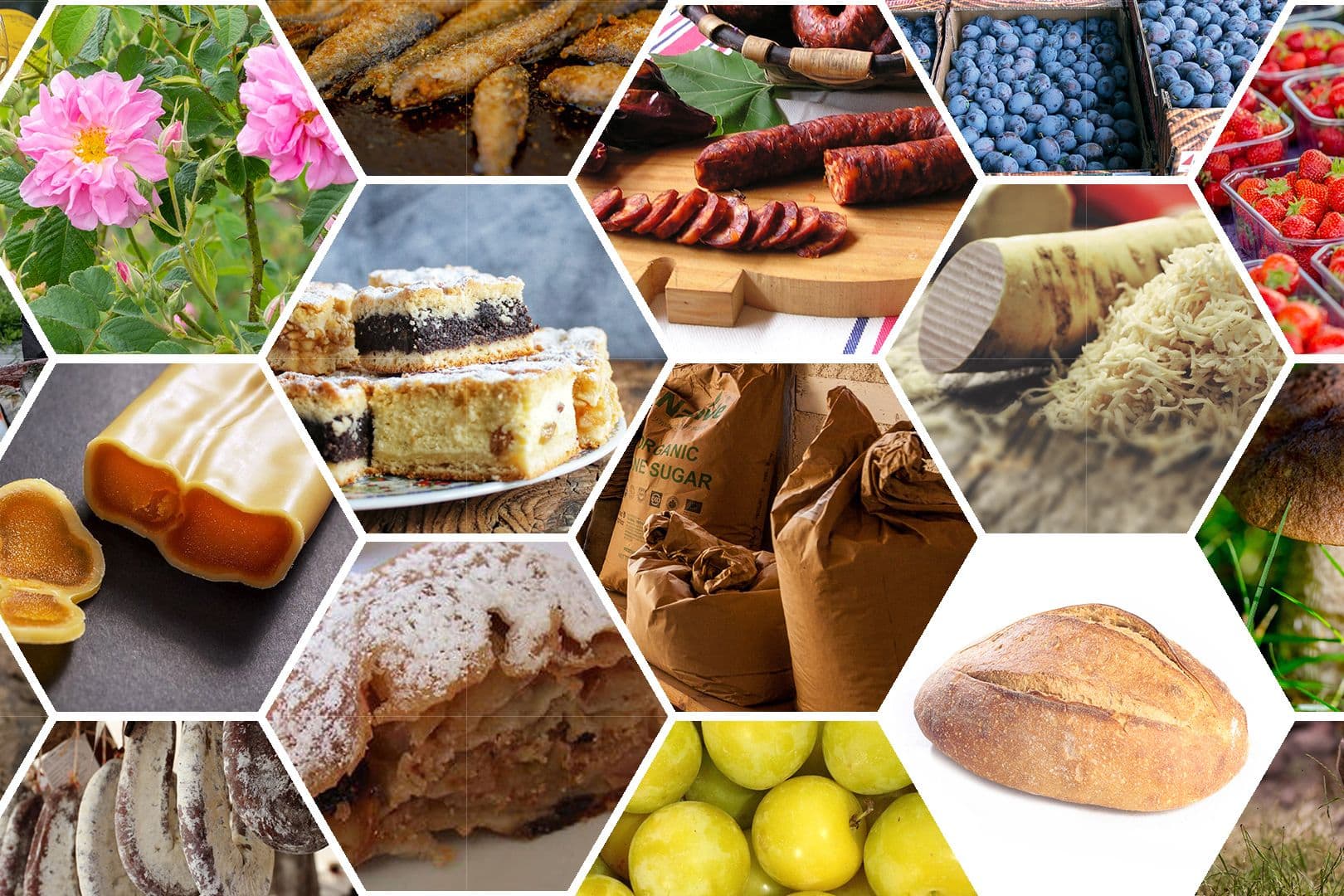
It’s really just a legume, but for us Styrians and many Styrian businesses, it’s so much more. We proudly serve Käferbohnen salads amidst lovely vineyards. This pride in our regional foods is, of course, evident in other delicacies as well: robust pumpkin seed oil on a Grazer Krauthäuptel, tear-inducing horseradish on succulent Easter ham, and much more—all of which make Styria’s culinary scene truly unique. This uniqueness is not limited to Europe. Other regions and countries are equally proud of their heritage of regional food traditions. These not only reflect a rich, multi-ethnic, and cultural history of development but also serve as an important economic factor. The “SMEOrigin – SMEs & European Original Geographical Indications” project strengthens the competitiveness of SMEs that specialize in products with geographical indications. The Styrian Economic Development Agency (SFG) initiated the initiative and leads the collaboration among the seven European partner countries.
The Importance of Regional Foods
The importance of regional foods cannot be overstated. They are part of our cultural heritage as well as drivers of local development. They connect sectors such as tourism and agriculture. They contribute to regional economic development. They symbolize tradition and quality. In Styria: Pumpkin seed oil has been geographically protected since the 1990s. Over the past 25 years, the number of regional pumpkin seed producers has more than tripled. “Styrian Tuscany” is a major tourist attraction and cannot do without pumpkin seed oil, either agriculturally or culinarily.
Objectives of the SMEOrigin Project
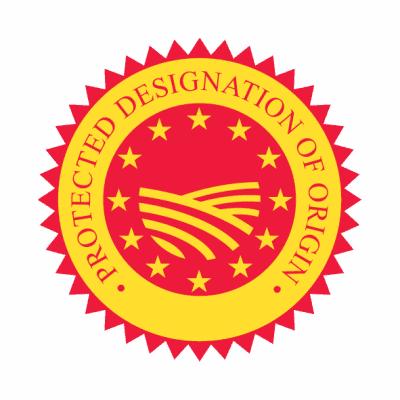
“Five Styrian products have already been awarded EU protected designation of origin status. This makes us Austria’s culinary flagship. The Interreg Europe project SMEOrigin facilitates international exchange on the path to EU protected designation of origin status. This helps solve common problems, generate fresh ideas, and build partnerships for the future.”Andreas Cretnik, Member of the Executive Board of Alwera AG
As part of the SMEOrigin project, the development policies and financing programs of the participating regions in seven European countries are being improved. This will significantly strengthen the competitiveness of the target group—SMEs that specialize in products with a geographical indication. Specifically, this involves optimizing value chains, driving digital transformation, and improving product labeling. All of these goals are pursued within the framework of sustainable development. The results include, among other things, improved product images, greater consumer trust, increased visibility of social responsibility, and support for regional economic development. The interregional cooperation network shares best practices and learns from one another. What can Champagne do that Styrian cider cannot yet do?
Participating Countries
SMEOrigin is a collaborative project involving seven European countries: Austria, Bulgaria, Poland, Finland, Greece, Spain, and France. Each country contributes its own regional food traditions and expertise. By exchanging experiences and best practices, regional strategies in the food sector are improved.
The project is funded by the European Union through the Interreg Europe program with a total of 1.77 million euros.
Contact us!